- Vishwasthali Awakens: The Quiet Revolution of Basohli Utsav 2026.
- Paintings, Pride & Pathak: The Force Behind Basohli’s Cultural Renaissance
- Basohli Utsav 2026: Where Dogra Roots Met a New Dawn.
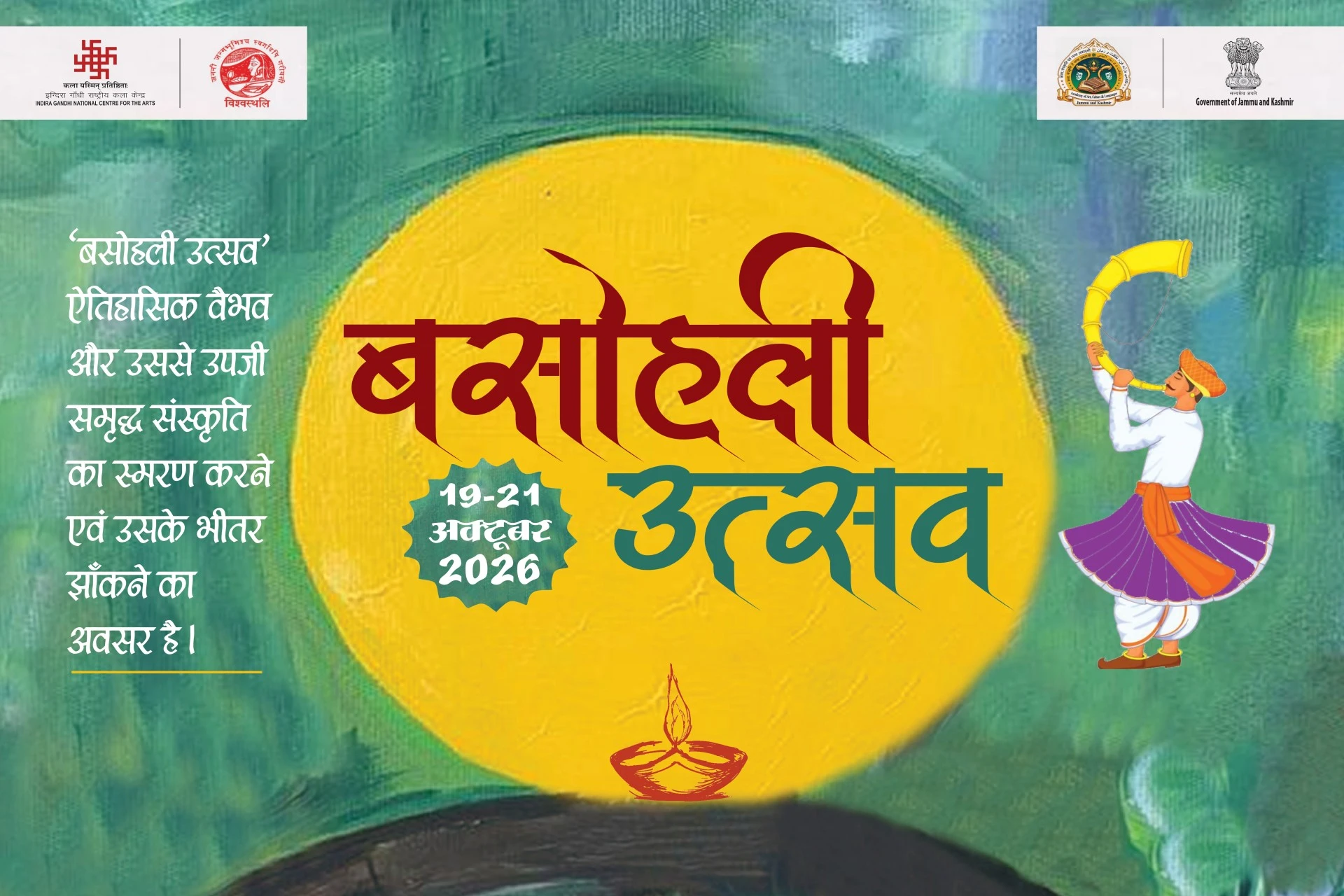
The fourth edition of Basohli Utsav, held from October 19 to 21, 2026, in the historic town of Basohli (also spelled Basholi) in Jammu and Kashmir’s Kathua district, concluded on a high note of cultural pride, community participation, and renewed hope for the future of this mountainous belt of Dogra land.
Nestled on the banks of the River Ravi and framed by the foothills of the Himalayas, Basohli—once known as Vishwasthali—has long been a cradle of artistic excellence, spiritual tradition, and regional identity.
This year’s three-day festival, jointly organised by the Jammu and Kashmir Academy of Art, Culture and Languages, the Divisional Administration of Jammu, the Indira Gandhi National Centre for the Arts (IGNCA) local office, and the local NGO Vishwasthali, transformed the town into a vibrant stage for heritage revival.
It showcased how dedicated natives of this ancient settlement are working tirelessly to reclaim and reinvigorate their high culture against the pressures of time, migration, and modern anonymity.
Basohli’s Claim to Fame Rests on Firm Historical Ground.
For centuries, it served as an early and influential centre of the Pahari school of miniature painting. The bold lines, vivid colours, and emotional intensity of Basohli paintings—especially the celebrated illustrations of texts such as the Rasamanjari—earned the town lasting recognition.
In 2023 the Basohli painting tradition received a Geographical Indication (GI) tag, formal acknowledgement of its uniqueness. Alongside painting, the region has been renowned for its fine Pashmina craftsmanship, traditional open-air Ramleela performances that stretch back generations, and a distinctive Dogri cultural ethos that blends martial spirit with refined aesthetic sensibility.
Yet, like many historic hill towns, Basohli faced decades of gradual eclipse. Younger generations drifted toward cities, traditional skills risked fading, and the town’s identity as a cultural powerhouse dimmed.
Basohli Utsav 2026 Celebrates Dogra Heritage and Cultural Revival
The Basohli Utsav series was conceived precisely to reverse that drift.At the heart of this revival stands the NGO Vishwasthali, working under the able leadership of Shakti Pathak, currently Director of the Anti-Corruption Bureau of Jammu and Kashmir and founder of the organisation. Vishwasthali—literally “land of faith” or the historic name of the place—has dedicated itself to re-establishing Basohli on the cultural map of India.
Pathak and a committed circle of local residents, artists, educators, and social workers have treated the recovery of heritage not as nostalgia but as a practical, multi-pronged project. Workshops on Basohli miniature painting are held regularly; efforts continue to train new artisans in Pashmina weaving and traditional crafts; documentation of oral histories and local customs is underway; and social welfare initiatives, including housing projects in surrounding villages, demonstrate that cultural revival is inseparable from community well-being. Pathak has repeatedly framed the work as a collective duty.
Basohli’s Rich Legacy of Miniature Painting and Traditional Crafts
Basohli’s artistic and spiritual legacy belongs not only to its residents but to the broader Dogra and Indian civilisational continuum. The annual Utsav is the most visible expression of that commitment.
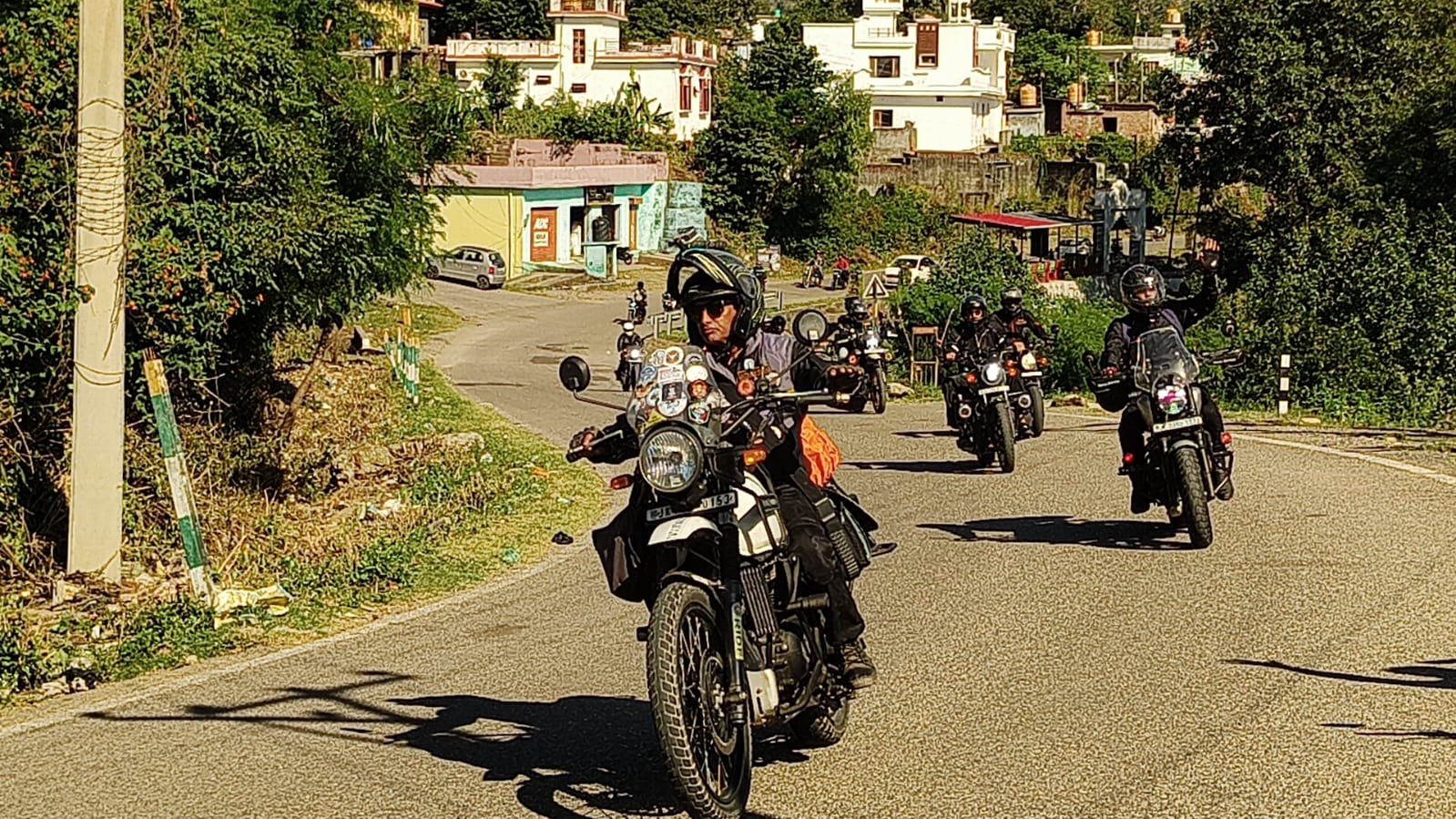
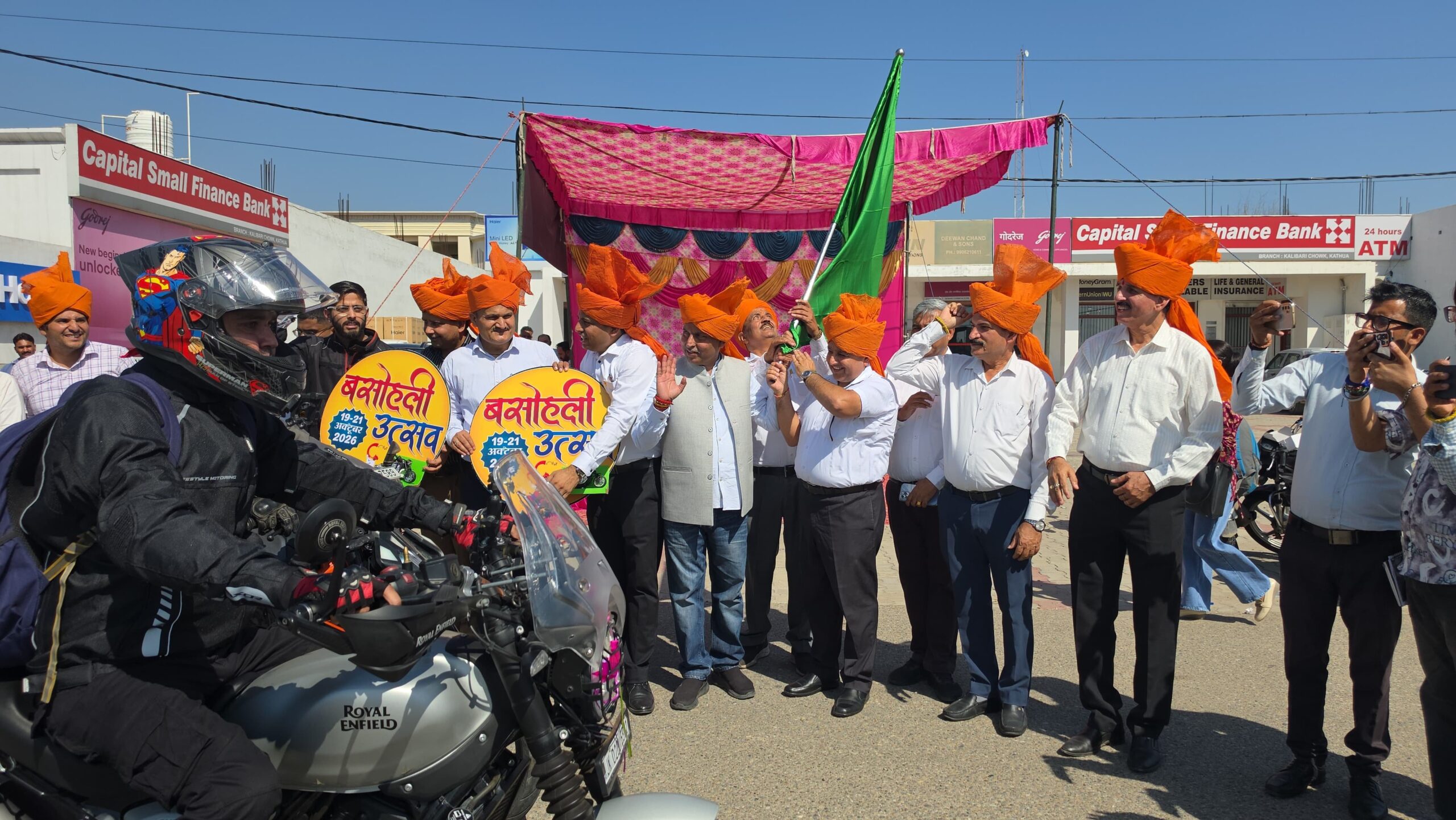
The 2026 edition opened on October 19 with energy and symbolism. A bike rally flagged off from the Tawi Riverfront in Jammu by Divisional Commissioner Vikas Kundal made its way to Basohli, where it received a warm welcome at Kalibari.
The journey itself served as a living advertisement for the region’s scenic and cultural connectivity. Formal inauguration took place at the historic Basohli Fort. MLA Basohli Darshan Singh, MLA Bani Dr Rameshwar Singh, Director of IGNCA Shruti Awasthi, Secretary of the J&K Academy of Art, Culture and Languages Harvinder Kour, Additional Deputy Commissioner Pankaj Bhagotra, and Shakti Pathak himself lit the ceremonial lamp.
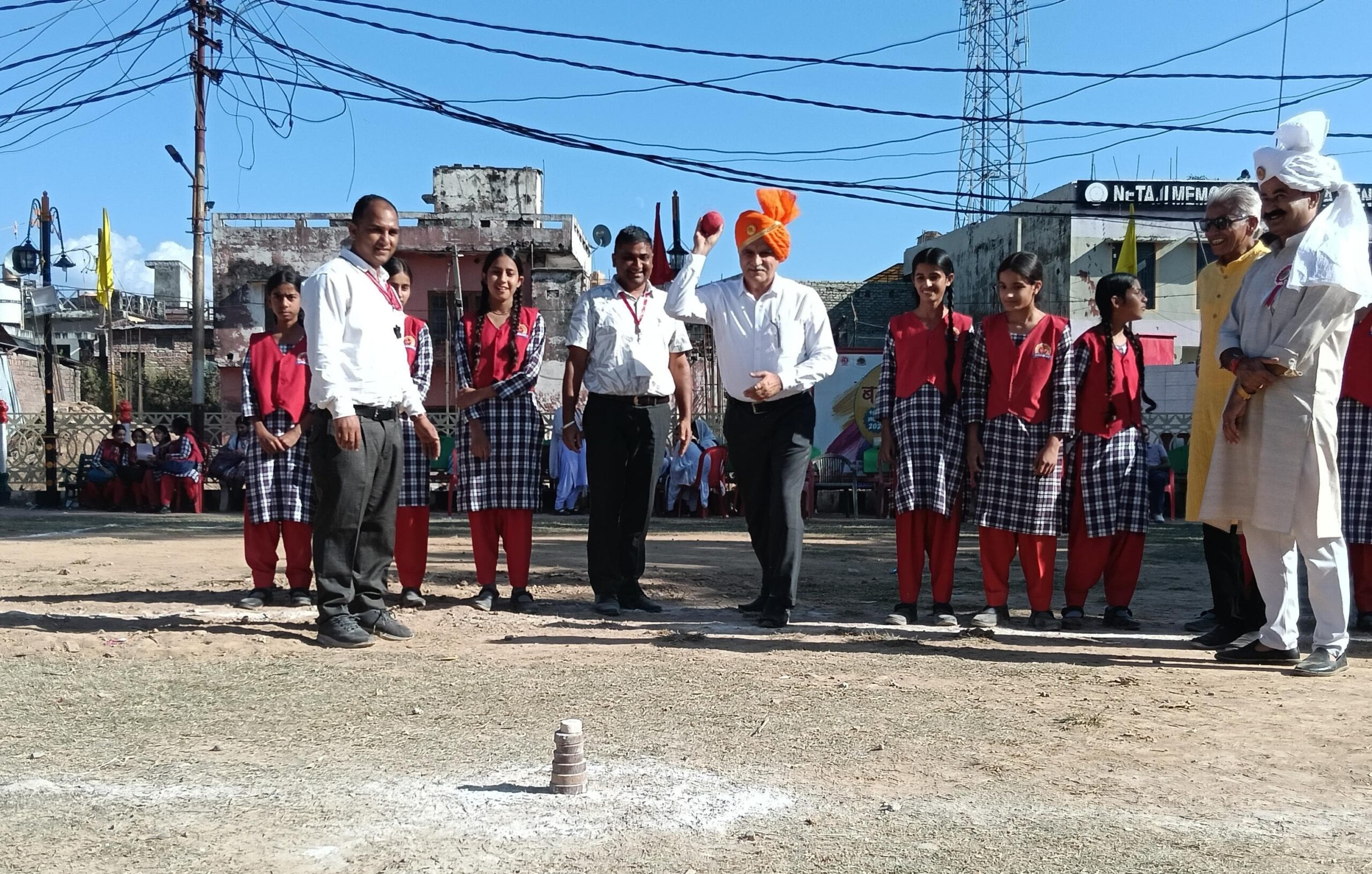
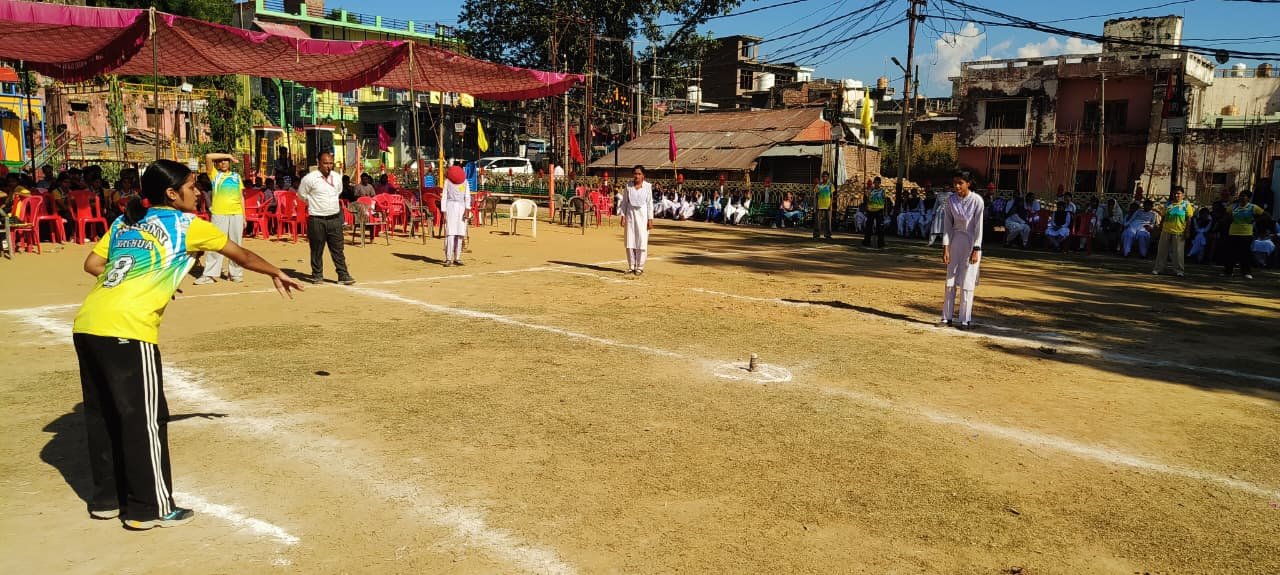
A documentary on the Utsav screened at the Fort reminded audiences of the town’s layered past and the ongoing efforts to restore its lustre.Traditional sports occupied a prominent place on the first day. Boys’ and girls’ Santholia matches at the Ramleela Grounds drew around 360 students from thirty schools.
These indigenous games, once everyday features of village life, were revived as vehicles of physical fitness, teamwork, and cultural continuity. Parallel artistic activities included cartoon workshops that brought together local talent and guest cartoonists from across India.
Live drawing sessions and an open-air exhibition addressed contemporary social themes—cleanliness, the campaign against drugs, and road safety—while giving young participants hands-on exposure to visual storytelling.
The message of a drug-free society threaded through several programmes, reflecting a practical concern for the well-being of the region’s youth. October 20 belonged largely to sport and spiritual spectacle. Nearly five hundred runners took part in a 21-kilometre half marathon flagged off from the iconic Atal Setu.
The scenic course along the Ravi riverbank and through Basohli’s natural surroundings tested endurance while showcasing the landscape’s tourism potential. Cash prizes totalling two lakh rupees were awarded, with winners coming from Himachal Pradesh, Uttarakhand, Udhampur, and beyond—proof that the event had already acquired a wider regional appeal.
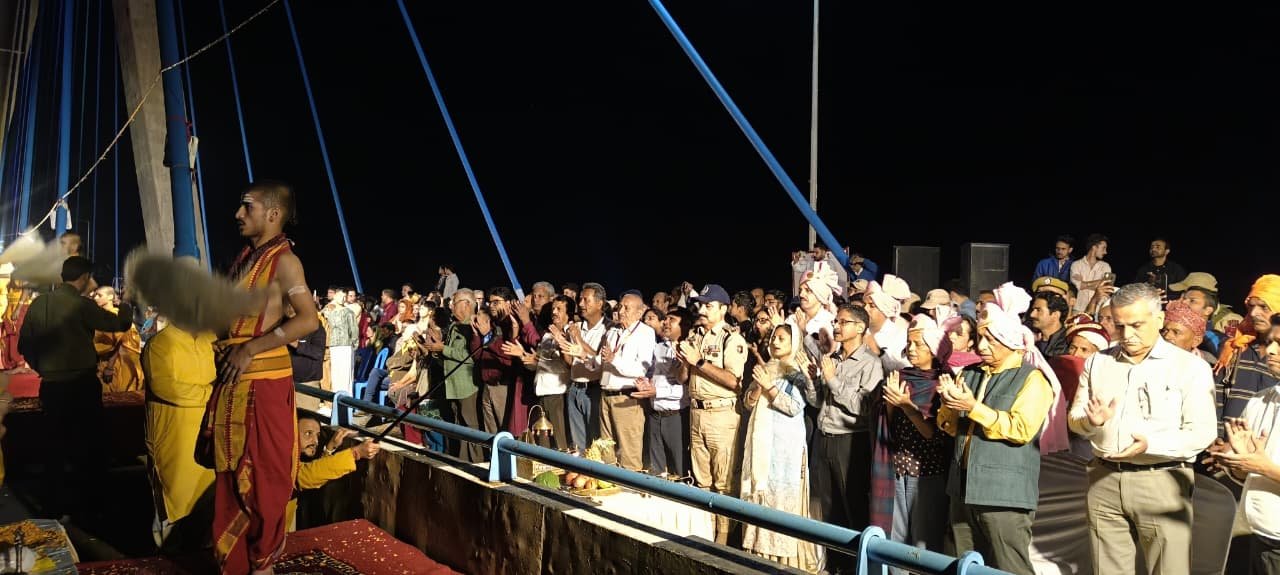
Later, the grand Ravi Aarti (also referred to as Eravati or Purushini Aarti) at Atal Setu drew hundreds of devotees, locals, and visitors. Priests performed the ritual with large brass lamps and earthen diyas, illuminating the riverfront and reaffirming the sacred character of the Ravi in local consciousness.
Dignitaries including MLA Darshan Singh, the District Collector, senior police officers, and Shakti Pathak attended, underscoring the festival’s ability to bring administrative, political, and cultural leadership onto a common platform.
Cultural depth characterised the same day and the concluding sessions. A presentation of Geet Govind behind the Old Fort brought scholars, academicians, and online experts together under IGNCA’s auspices, illuminating the classical literary and artistic traditions linked to the region. Traditional Dam Chokdi gatherings at Mandi Mohalla celebrated community spirit.
Water sports—rowing, kayaking, and canoeing—on the waters associated with Ranjit Sagar Lake introduced a modern adventure dimension and signalled future possibilities for a dedicated water-sports centre. Students from Cluster University Jammu staged the play Jasama at Rani Talab.
An investment summit and youth parliament at the Fort encouraged economic vision and democratic engagement among the younger generation.
Exhibitions on Shakti Parampara, the Takri script, Basohli painting techniques, and water conservation added educational layers. Local cuisine stalls, folk dances, and the century-old open-air Ramleela ensured that the sensory experience of Dogra culture remained central.
Throughout the three days, the quiet but determined work of native residents was evident. Local artists demonstrated miniature painting techniques; weavers and craftspeople displayed Pashmina and other traditional products; schoolteachers and community organisers mobilised students for sports and workshops; and volunteers managed logistics with the pride of people reclaiming their own story.
Vishwasthali Leads the Mission to Restore Basohli’s Cultural Identity
Vishwasthali’s role as catalyst and organiser proved decisive. By partnering with government departments, cultural academies, and national institutions such as IGNCA, the NGO has institutionalised what began as passionate local initiative. Pathak’s dual identity—as a senior civil servant and as a cultural activist rooted in Basohli—has lent both credibility and continuity to the effort.
Colleagues and local observers note that the growing national visibility of the Utsav is inseparable from his sustained personal engagement and the network of dedicated natives he has helped assemble.
The festival’s larger significance lies in its integration of heritage with contemporary aspirations. Tourism promotion is explicit: scenic riverfronts, historic forts, GI-tagged arts, and spiritual aarti are positioned as year-round attractions rather than seasonal curiosities.
Livelihood opportunities for artists and craftspeople are prioritised. Youth participation—from Santholia matches and cartoon camps to the Youth Parliament—seeks to plant cultural confidence in the next generation. Environmental and social messages, including water conservation and the anti-drug campaign, embed the celebrations in present-day concerns.
Proposals for riverfront development and improved facilities further indicate that the Utsav is intended as a platform for long-term transformation rather than a three-day spectacle.
Basohli Utsav Reaffirms the Resilience of Dogra Cultural Identity
As the fourth edition drew to a close on October 21 with final cultural performances, literature sessions, and the lingering glow of the Ravi Aarti, Basohli had once again demonstrated that its high culture is not a museum relic. It remains a living inheritance being actively tended by its own people. The natives of this historic town—artists, organisers, teachers, athletes, and ordinary citizens—have shown that revival is possible when memory is paired with organisation, tradition with openness, and local pride with institutional partnership.
Under the leadership of Shakti Pathak and the consistent work of Vishwasthali, the mountainous belt of Dogra land is steadily recovering its voice. Basohli Utsav 2026 will be remembered not merely as a successful festival but as another decisive step in restoring Vishwasthali to its rightful place on India’s cultural map—a place of vivid colour, refined craft, spiritual depth, and resilient community spirit.