
The Central Reserve Police Force (CRPF) has issued fresh instructions to its personnel in Jammu and Kashmir, making bulletproof jackets and protective headgear mandatory, restricting mobile phone use during duty hours and calling for tighter security at checkpoints. The directions come after an attack in Kulgam district left three personnel injured.
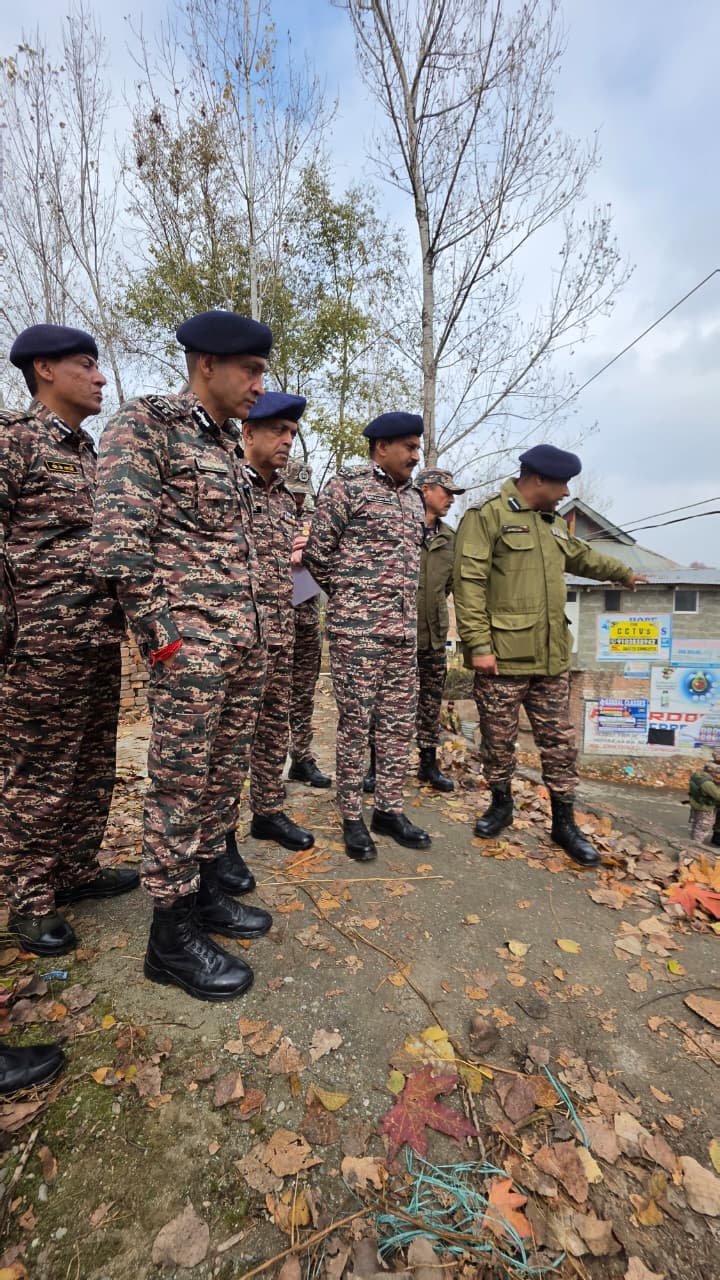
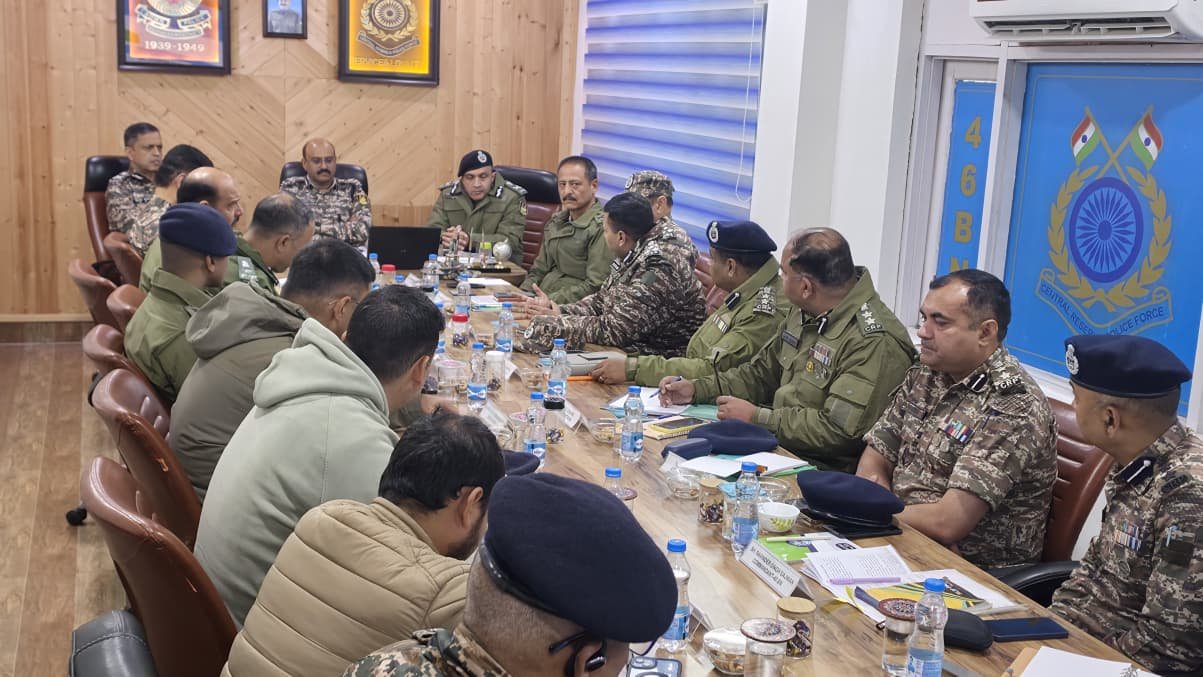
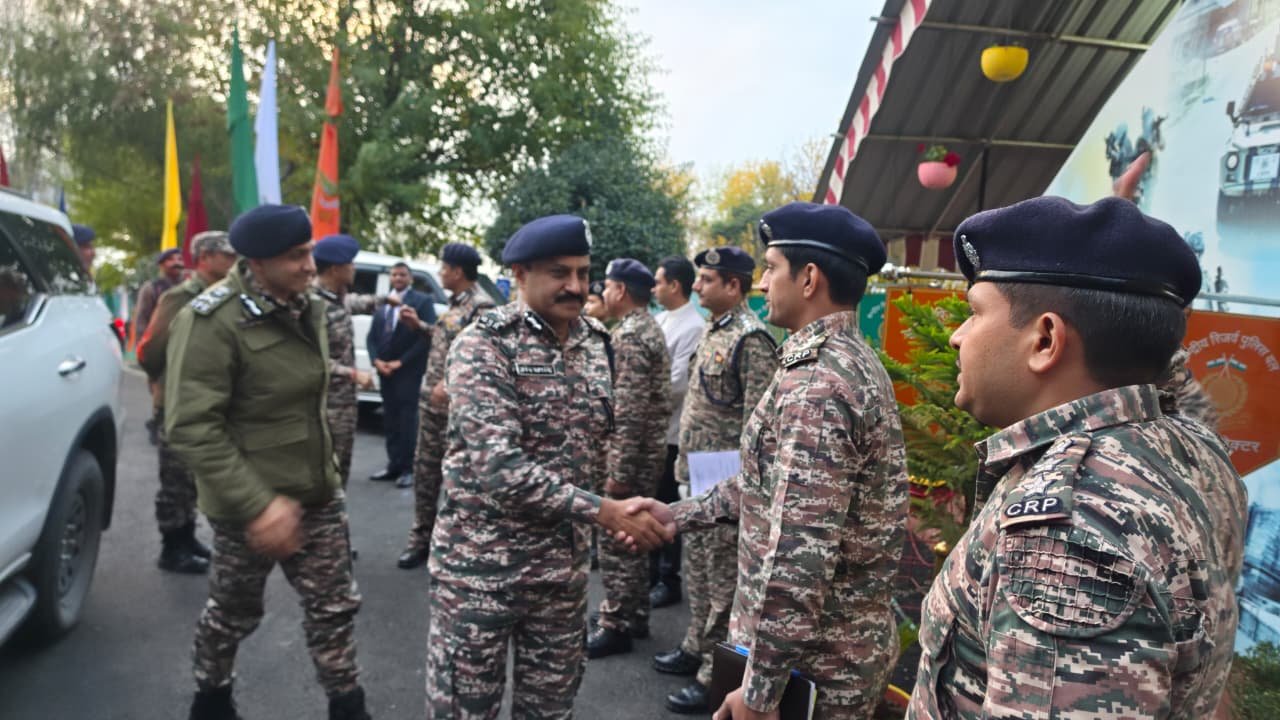
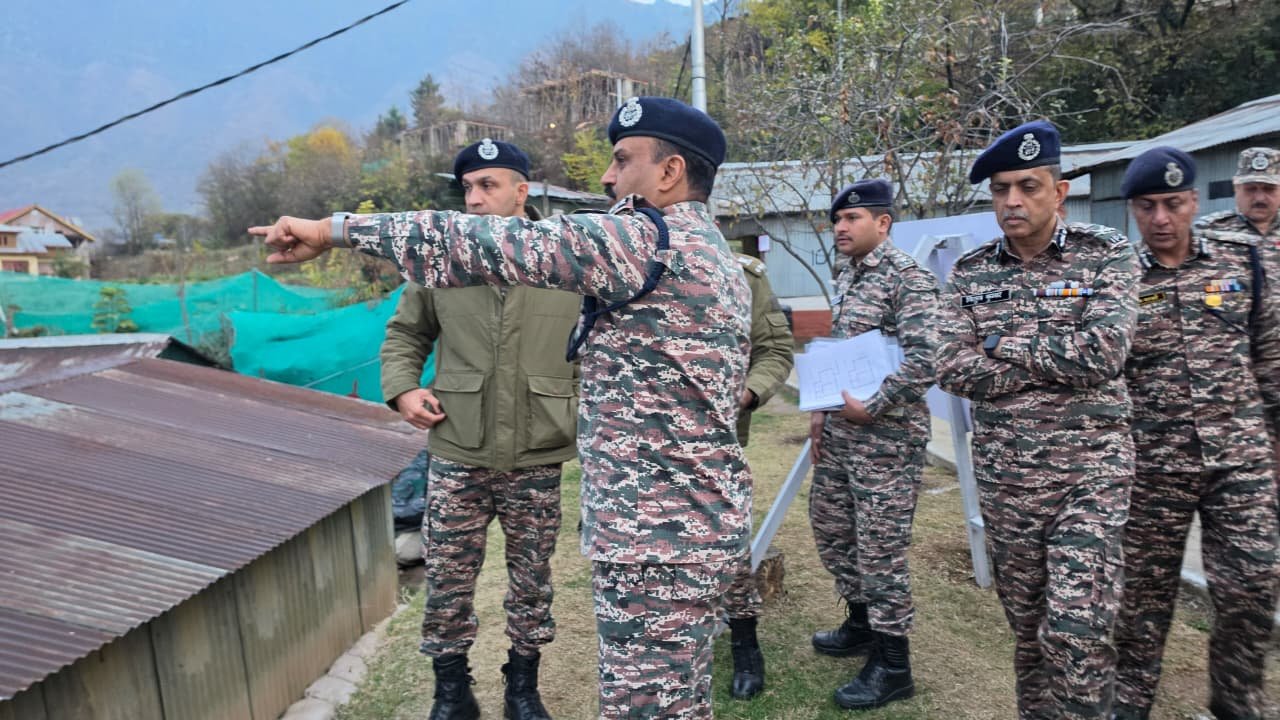
The advisory follows a security review by CRPF Director General G P Singh, who visited Jammu and Kashmir over the weekend along with another senior officer from the force’s Delhi headquarters. Singh held meetings with senior officials to discuss counterterrorism measures and study the pattern of attacks on security forces, particularly those allegedly carried out by Mohammed Lateef Bhat, also known as Lateef Ahmad Bhat, a local commander of Lashkar-e-Toiba (LeT) and its proxy, The Resistance Front (TRF).
Key advisories issued by CRPF
- Bulletproof gear mandatory: All personnel on duty must wear bulletproof jackets and protective headgear. No one is to be allowed on duty without the prescribed gear.
- Stronger checkpoints: Company commanders must strengthen security at checkpoints (nakas), ensure deployment as per standard operating procedures (SOPs) and step up supervision.
- Mobile bulletproof morchas: Unit commanding officers must ensure personnel at checkpoints and static locations are covered by portable ballistic bunkers and guard posts to protect against hostile fire.
- Better infrastructure and lighting: Checkpoints must have adequate protective infrastructure and proper lighting during evening and night hours.
- Stay mobile and alert: Personnel should avoid staying stationary at one spot for long and maintain situational awareness throughout deployment.
- Protective positioning in open areas: Those working outside protective structures must remain vigilant and adopt appropriate protective positions.
- Phone use restricted: Mobile phones are allowed only for essential official communication by the party commander. All other personnel must avoid using phones on duty.
- Reliable communication: The force has stressed dependable communication, especially during emergencies, for timely information exchange and coordination.
Officials also examined Bhat’s alleged modus operandi, including how he approached security checkpoints before opening fire on personnel.
Bhat, a resident of Khrewan Chader village in Kulgam, is also accused of killing Head Constable Ashiq Hussain Qureshi in Anantnag on July 22. Qureshi, a member of the Indian Reserve Police attached to the Special Operations Group (SOG), was on Amarnath Yatra duty at the time.
What the advisory says
Citing recent incidents and the prevailing security situation, the CRPF has directed all company commanders to strengthen checkpoints (nakas), ensure deployment in line with standard operating procedures (SOPs) and step up supervision.
“All personnel deployed on duty should invariably wear bulletproof jackets and gear,” an official said, adding that no one should be allowed to perform duty without the prescribed protective equipment.
Unit commanding officers have also been asked to ensure that personnel at checkpoints and static locations are covered by mobile bulletproof morchas, which are portable ballistic bunkers and guard posts, to shield them from possible hostile fire. The directions also call for adequate protective infrastructure and proper lighting at checkpoints during evening and night hours, the official said.
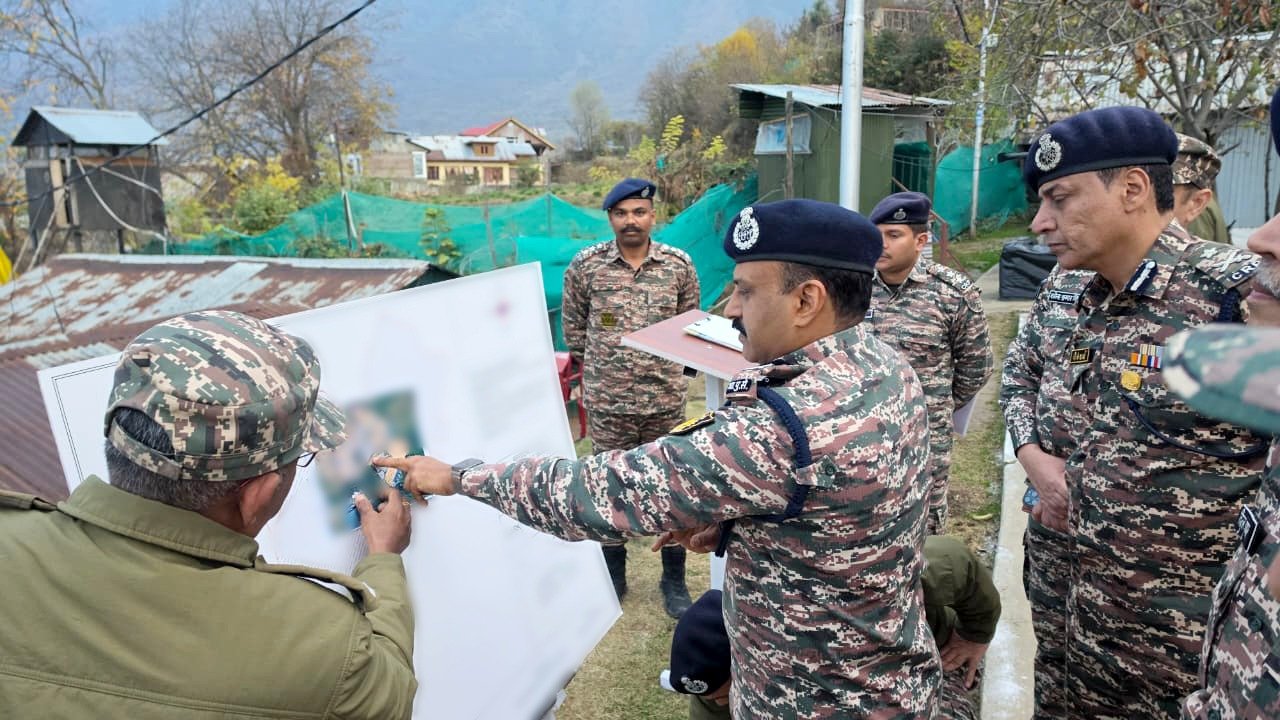
Personnel have been told not to remain stationary at one spot for long periods and to stay alert throughout their deployment. Those working in open areas outside protective structures have been asked to remain vigilant and adopt appropriate protective positions, the official added.
On communication, the advisory restricts mobile phone use during duty hours to essential official communication by the party commander. All other personnel must refrain from using phones while on duty. The force has also stressed the need for reliable communication channels, especially during emergencies, to ensure timely exchange of information and effective coordination.