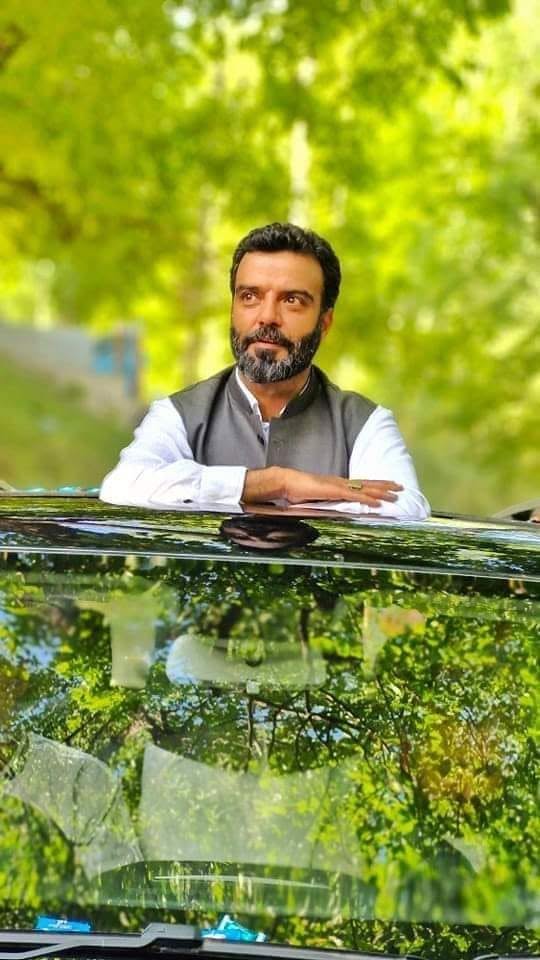
For a leader who had just walked out of the National Conference, Tuesday was supposed to be a day of political theatre on his own terms. Aga Syed Ruhullah Mehdi, former NC leader and ex-Lok Sabha member from the Srinagar-Budgam constituency, went all out. He raised the restoration of Article 370 and invoked the killing of Tufail Mattoo, two issues that touch the rawest emotional nerves in Kashmir. It was a calculated bid to turn his resignation into a groundswell of public sympathy and political capital.
Then came a single word from Jammu that threatened to undo the whole script: “Ashirward.”
The remark came from Ram Madhav, the BJP leader widely regarded as one of the party’s most seasoned coalition strategists. He formally described the NC crisis as an internal matter. But he also said, “Our people have their full blessings; that’s why Ruhullah is holding another rally.” The implication was hard to miss. Whatever is unfolding in Jammu and Kashmir politics, the line suggested, has some connection to the BJP.
The impact was immediate. Within minutes, the ruling National Conference, which had spent the past day on the defensive, moved to the offensive. It turned its guns on both the BJP and Ruhullah.
NC: “BJP is dismantling us from within”
Deputy Chief Minister Surinder Choudhary said the party had always maintained that the BJP was trying to dismantle the National Conference. “Immediately after Aga Ruhullah’s resignation yesterday, a statement emerged from Ram Madhav. Ram Madhav claimed that the people who attended the event organised by Aga Ruhullah yesterday were, in fact, sent by the BJP,” he said.
Notably, Choudhary stopped short of attacking Ruhullah personally, and even praised him. “Why are you coming to us with these questions? Go ask BJP’s Sunil Sharma… Aga Ruhullah was a decent, honourable man. The BJP misled him, and yesterday, the BJP itself admitted that Aga Ruhullah is ‘their man’… then how can Aga Ruhullah be considered part of the National Conference?… The BJP is always orchestrating such dramas,” he said.
The sharper message came from the party’s grassroots. NC supporter Irshad Meer said, “Ram Madhav’s own words expose who is steering Ruhullah’s moves! Trying to weaken the National Conference from within with BJP’s backing won’t work. Every grassroots worker stands firmly with Omar Abdullah and the National Conference.”
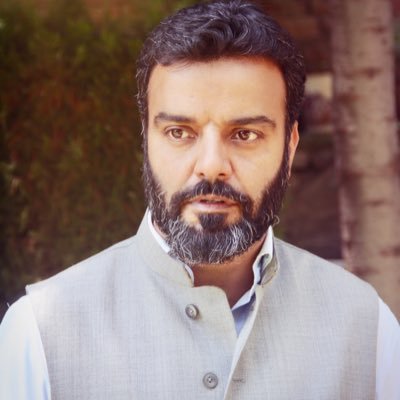
Twenty-three minutes, one calculated line
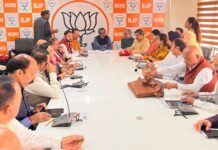
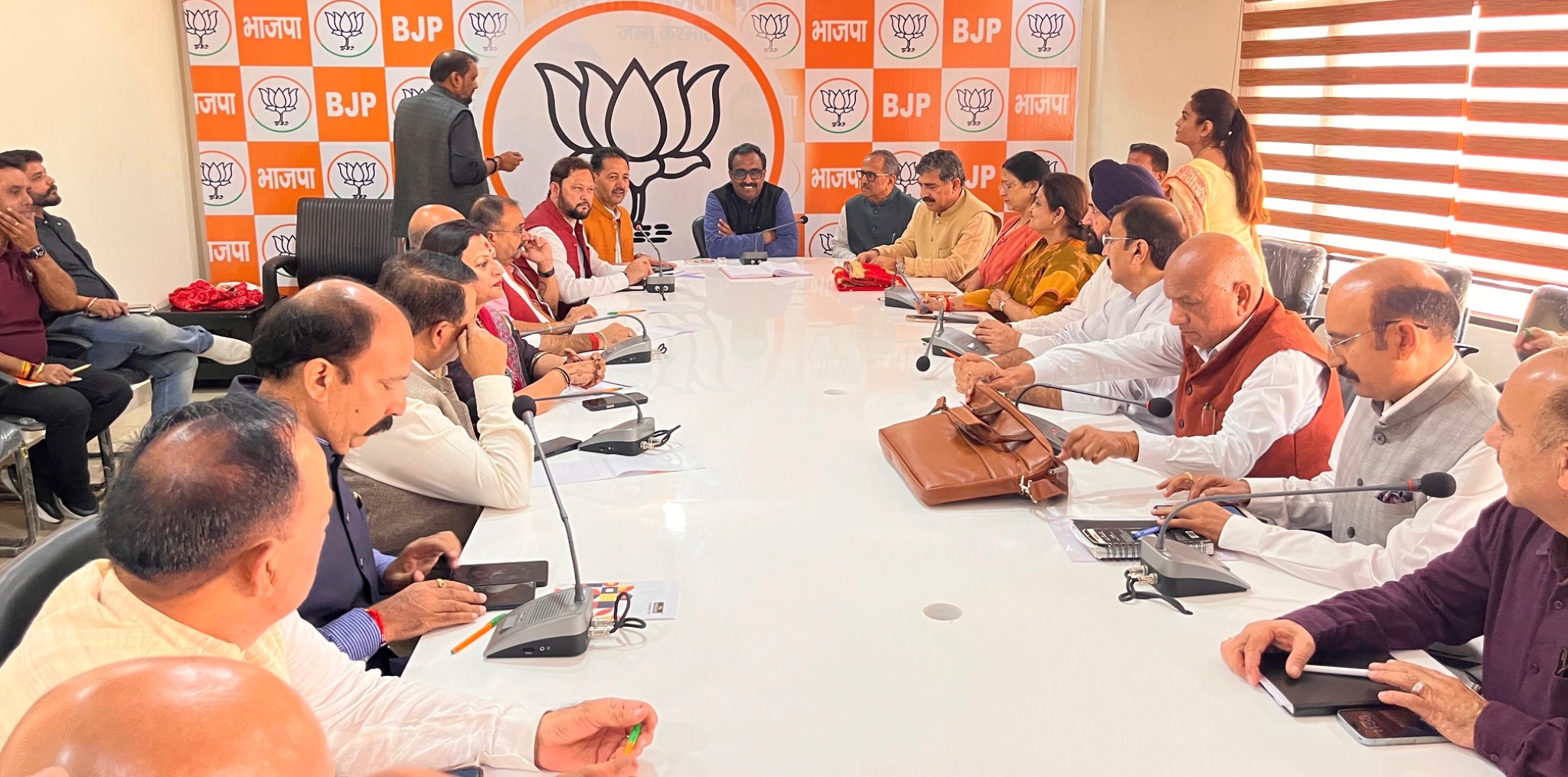
Ram Madhav arrived in Jammu for a one-day visit and spent about 23 minutes with reporters at the BJP headquarters in Trikuta Nagar. He clearly knew what was coming. The turmoil in the NC was the question on every journalist’s mind, and he pre-empted it as soon as he sat down: “I’m not going to comment on the questions you have in mind.”
Yet the evasion did not last. When reporters tried to draw him out by citing Leader of the Opposition Sunil Sharma’s remark about “wiping tears,” Ram Madhav spoke of Ruhullah’s rally as though it were his own party’s. At the same time, he categorically denied any BJP role in the NC’s internal strife.
The political fallout
That is the contradiction at the heart of the controversy. Ram Madhav insisted the BJP had no hand in the NC’s troubles, yet his words handed the NC a ready-made narrative: Ruhullah as a BJP-blessed rebel. For the NC, the remark is a gift. It lets the party recast an embarrassing internal revolt as an outside conspiracy, rally its cadre around Omar Abdullah, and put Ruhullah on the back foot.
For Ruhullah, the damage is potentially serious. His strength lay in presenting himself as a voice for Kashmir’s emotional and political aspirations. A BJP “blessing” label, deserved or not, cuts directly against that image in a region where the BJP’s role remains deeply contested. Whether the remark was a slip, a calculated signal or a political miscalculation, Ruhullah now has to answer a question he never wanted to face: whose man is he?