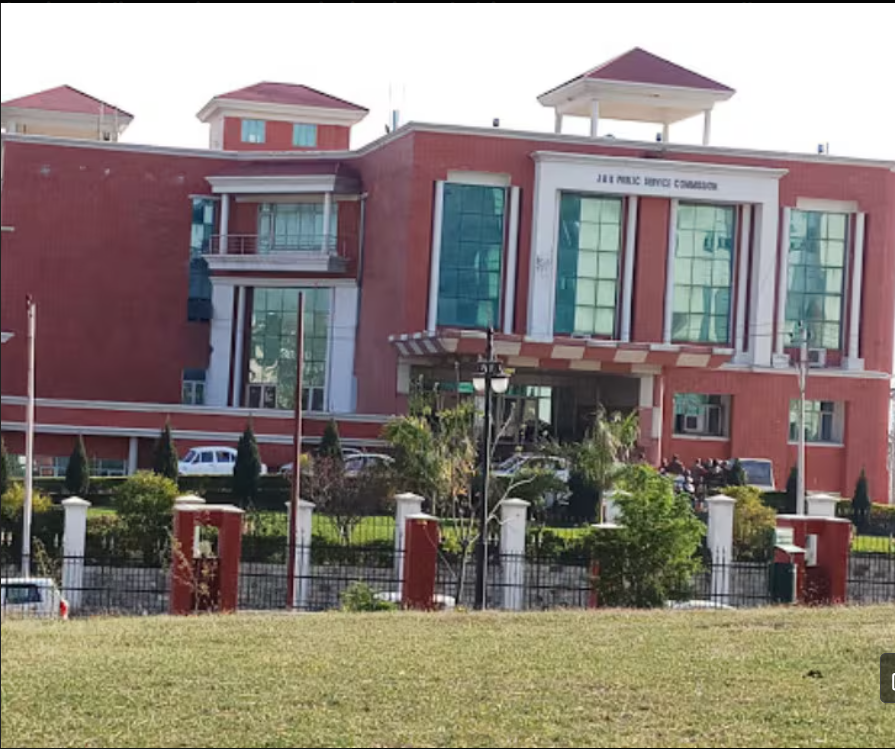
The credibility of Jammu and Kashmir’s main recruitment bodies—the Jammu and Kashmir Public Service Commission (JKPSC) and the Jammu and Kashmir Services Selection Board (JKSSB)—has come under sustained scrutiny amid repeated allegations of question paper leaks, organised cheating, exam cancellations, and prolonged delays that have left thousands of educated youth in limbo.
The most recent episode involved the JKSSB Finance Accounts Assistant (FAA) examination held on 15 November 2026 for around 600 posts in the Finance Department. More than 1.6 lakh candidates appeared. Jammu Police arrested 14 people near examination centres after intelligence inputs pointed to an organised attempt to facilitate cheating using wireless communication devices and other electronic gadgets. Police seized eight wireless sets, about 22 mobile phones and five vehicles. Three FIRs were registered and a Special Investigation Team was formed. The plan allegedly involved candidates inside halls transmitting questions to facilitators outside, who would then relay answers. Student groups and political leaders have demanded a CBI probe and a stay on upcoming police recruitment exams until the matter is fully investigated.
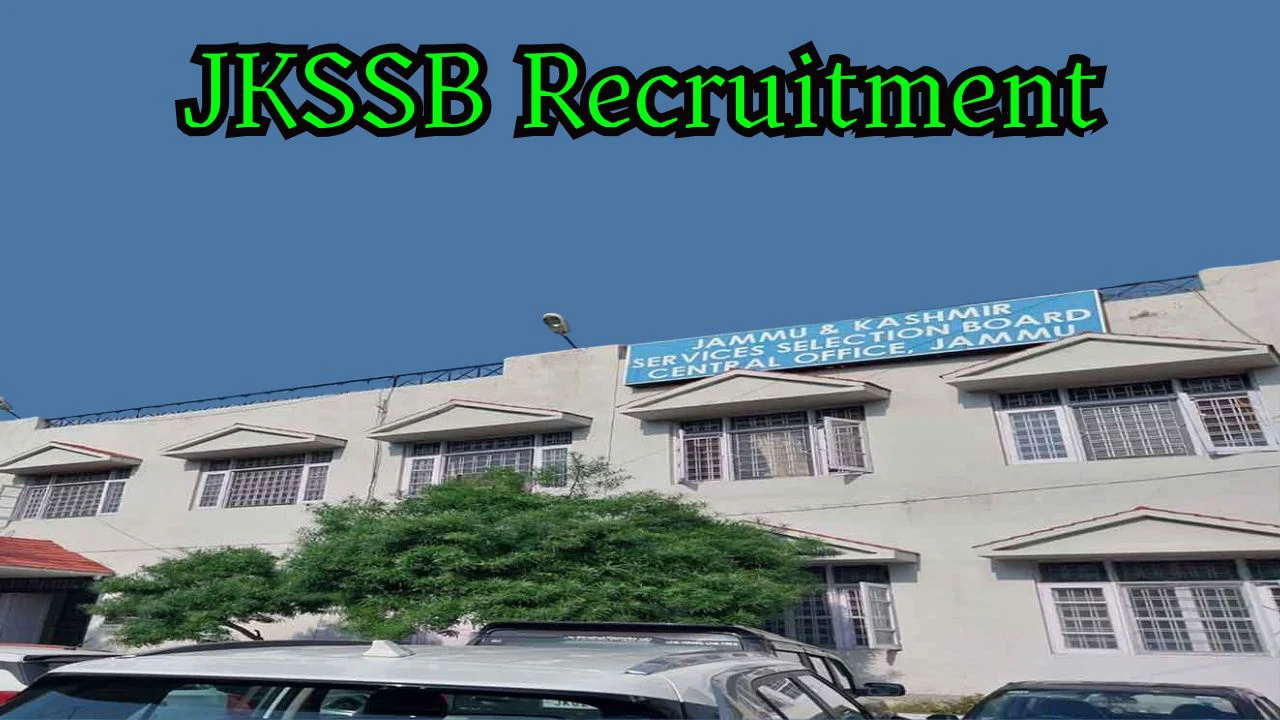
Officials and observers note that the FAA episode is not isolated. Over the past decade, multiple recruitment processes conducted by JKSSB have been cancelled or clouded by similar allegations:
- In December 2015, JKSSB cancelled exams at centres in Jammu after reports of mass copying and invigilator complicity.
- In 2022, the Sub-Inspector recruitment exam (around 1,200 posts) was compromised. A subsequent CBI investigation found papers had been sold for ₹20–30 lakh each involving touts, board officials, security personnel and a private testing agency. Selection lists for Finance Accounts Assistants (nearly 1,000 posts) and Junior Engineers (Civil, around 1,300 posts) were also scrapped amid similar allegations. Chargesheets were filed against dozens of accused; Enforcement Directorate action followed against alleged kingpins.
- In August 2025, the Junior Engineer (Electrical) exam was cancelled after the question paper allegedly circulated on social media before the test, triggering protests at centres including Srinagar’s Kothibagh.
JKPSC has faced its own controversies, including 2019 allegations that a question paper for a Sericulture department exam was circulating on social media before the test, and more recent claims by aspirants regarding the 10+2 Lecturer (English) exam in November 2025 that questions appeared in coaching materials days earlier. The Commission has rejected leak claims in several instances and invited formal complaints with evidence. Delays have also mounted: as of mid-November 2026, JKPSC had been without a chairman for over three months, holding up recruitment for roughly 1,200 posts.
Aspirants and opposition leaders argue that a network of agents and facilitators has repeatedly undermined the process, turning what should be merit-based opportunities into a source of despair in a region with high unemployment. They accuse successive administrations of inadequate accountability, with inquiries often announced but rarely leading to visible, timely systemic reform. The 2022 scandals occurred under Lieutenant Governor administration; later incidents have continued under elected government, prompting political exchanges over responsibility.
While the government has blacklisted certain private agencies involved in past irregularities and stated in the Assembly in 2025 that no paper-leak incidents had been reported in the preceding two years (acknowledging the 2022 cases), the pattern of cancellations, arrests and protests continues to erode public trust. Genuine candidates who prepare for years face cancelled exams, postponed results and the perception that connections or money can still outweigh hard work.
Student associations and political figures have called for independent, time-bound probes, stronger security protocols (including multiple question-paper sets and better surveillance), and institutional reforms so that recruitment agencies restore confidence among the youth whose futures depend on fair processes. The recent FAA case has once again placed the issue firmly in the public spotlight.